News
Capcom Details Design Philosophy for Mega Man: Dual Override
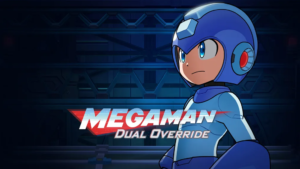
As the Mega Man franchise approaches its 40th anniversary, developer Capcom is pulling back the curtain on the design philosophy driving the upcoming mainline entry, Mega Man: Dual Override.
In this article
As the Mega Man franchise approaches its 40th anniversary, developer Capcom is pulling back the curtain on the design philosophy driving the upcoming mainline entry, Mega Man: Dual Override. In a recent interview, the development team—including Director Shinya Ikuta and Producer Hiroyuki Minamitani—explained how they are balancing the series’ legacy with the need to attract a new generation of players.
Bridging the Gap for New and Veteran Players
To keep the experience accessible, Capcom has introduced a new custom chip system and a tiered stage structure. Rather than a singular difficulty curve, stages are split into three distinct areas that gradually increase in intensity. This design allows players to collect chips by completing easier segments, which can then be used to augment their character’s abilities. If a player hits a wall in a specific Robot Master stage, they are encouraged to visit a different stage, collect resources, and return with upgraded customization to overcome the hurdle.
New Gameplay Mechanics and Progression
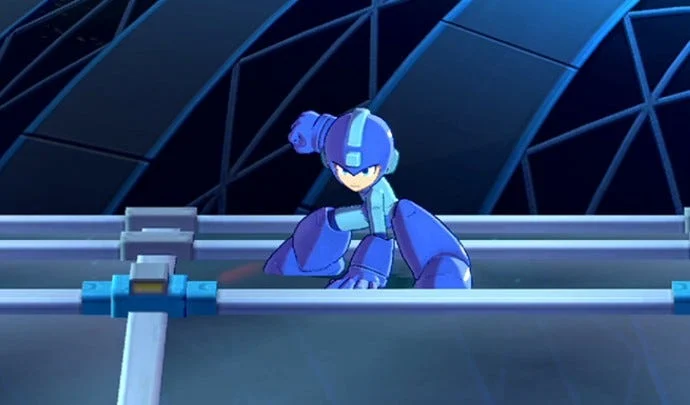
Dual Override will feature over 50 unique chips, offering both active and passive effects. A key gameplay shift is the “Override” mechanic, which provides Mega Man with a temporary power boost. While it grants a significant combat advantage, it introduces a risk element where the character loses certain abilities for a brief period afterward. Capcom stated that this risk-versus-reward system was a long-desired feature they were finally able to implement.
Progression is tied to character selection; once a player chooses either Mega Man or Proto Man at the start of the game, they are locked into that character for the duration of the playthrough. While the overarching narrative remains consistent regardless of the choice, Capcom noted that players will experience different dialogue and personality-driven interactions depending on who they control.
Why it matters
For long-time fans and newcomers alike, Mega Man: Dual Override represents a concerted effort to evolve the series’ traditional gameplay without stripping away the challenge that defines it. By adding RPG-lite customization elements like the chip system and structural changes to stage progression, Capcom is creating a “safety net” that helps new players acclimate to the series’ notoriously high difficulty, while keeping the core action rewarding for veterans.
This release is positioned as a celebratory “Mainline” title rather than a numbered entry, specifically to lower the barrier to entry for those who haven’t tracked the series for decades. Players looking for a blend of classic run-and-gun mechanics with more modern, flexible progression should watch for further updates as the series heads toward its 40th anniversary celebration.