News
Mega Man Dual Override Targets Hardcore Fans While Opening Doors for Newcomers, Devs Say
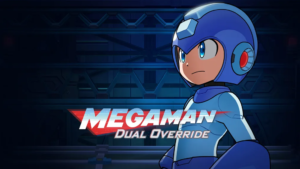
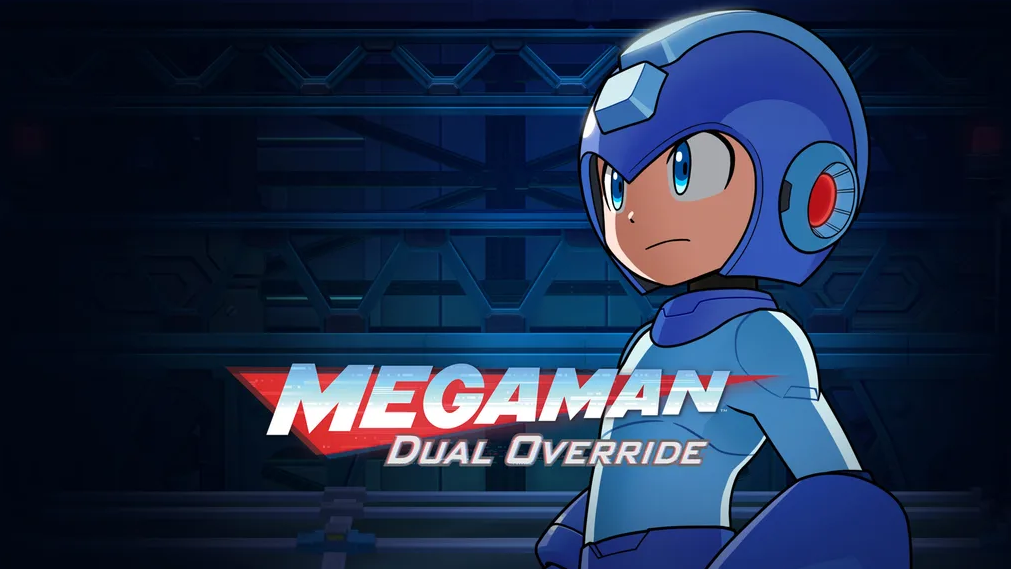
Capcom's Mega Man Dual Override marks the franchise's first mainline entry in eight years, arriving as the series celebrates its 40th anniversary.
In this article
Capcom’s Mega Man Dual Override marks the franchise’s first mainline entry in eight years, arriving as the series celebrates its 40th anniversary. Ahead of Gamescom, developers discussed how the game aims to satisfy longtime fans while making the notoriously challenging series accessible to players discovering Mega Man for the first time.
How Capcom Built Dual Override for Two Audiences
According to director Shinya Ikuta, hardcore Mega Man fans remain the primary target, but the team integrated features to broaden appeal. The standout addition is Custom Chips—equippable modifiers that let players adjust gameplay functions to suit their skill level. Players can also select which stages to tackle first, rather than following a fixed order.
Ikuta emphasized the philosophy behind this dual approach: “There’s a very strong importance for games that are challenging but give you a sense of completion and accomplishment and exhilaration. Regardless of the player type, whether you are a longtime Mega Man fan or newcomers who might be interested in tackling these challenges through customization, those are things that we felt were important to include.”
Producer Hiroyuki Minamitani added that Custom Chips provide “different ways to tackle certain challenges,” allowing players of varying skill levels to experience what the game offers. Mega Man series producer Shingo Izumi explained that after releasing collection titles like the Battle Network Legacy Collection and Star Force collections since Mega Man 11’s 2018 launch, the 40th anniversary felt like the right moment to return to the series’ roots.
Graphics and Design Philosophy for 2026
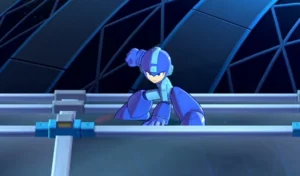
Ikuta noted that modern technology enables significant visual enhancements—detailed backgrounds and stage elements that weren’t possible in earlier eras. However, Capcom resisted the temptation to stray from what makes Mega Man iconic. “It’s not like we are trying to incorporate things that aren’t really representative of the mainline series,” Ikuta said. “We’re not trying to bombard the player with tons of enemies or add 3D elements.”
Instead, the team focused on recreating stages to suit different player types while maintaining the core Mega Man experience. The Twinkle Girl stage shown in recent trailers serves as the recommended entry point for newcomers.
Why This Timing Matters
The eight-year gap since Mega Man 11 reflects both industry shifts and changing audience composition. Ikuta pointed to recent collaborations—Mega Man’s appearance in Super Smash Bros. and a Fortnite crossover—as proof that the franchise has attracted new players beyond traditional fans. “Being able to welcome those players and widen the funnel so that they can also enjoy the accomplishment of a Mega Man game is important to us and something that we kept in mind when designing,” he said.
This strategy acknowledges what many longtime series observers have noted: Mega Man’s core appeal lies in challenging-but-fair design paired with the satisfaction of mastery. By preserving that foundation while offering customization tools, Capcom appears intent on letting different skill levels reach the same destination.
What’s Next
The full feature set and additional playable characters remain to be revealed as we approach launch. Players interested in the direction Capcom is taking the franchise will want to keep an eye on coverage from Gamescom and beyond.