News
Mega Man: Dual Override Hands-On: Classic Challenge Gets Smart Checkpoints and New Override System
Capcom's upcoming Mega Man: Dual Override is shaping up as a faithful return to the series' classic side-scrolling action, complete with the punishing boss fights fans expect—but with modern quality-of-life features that make it feel like…
In this article
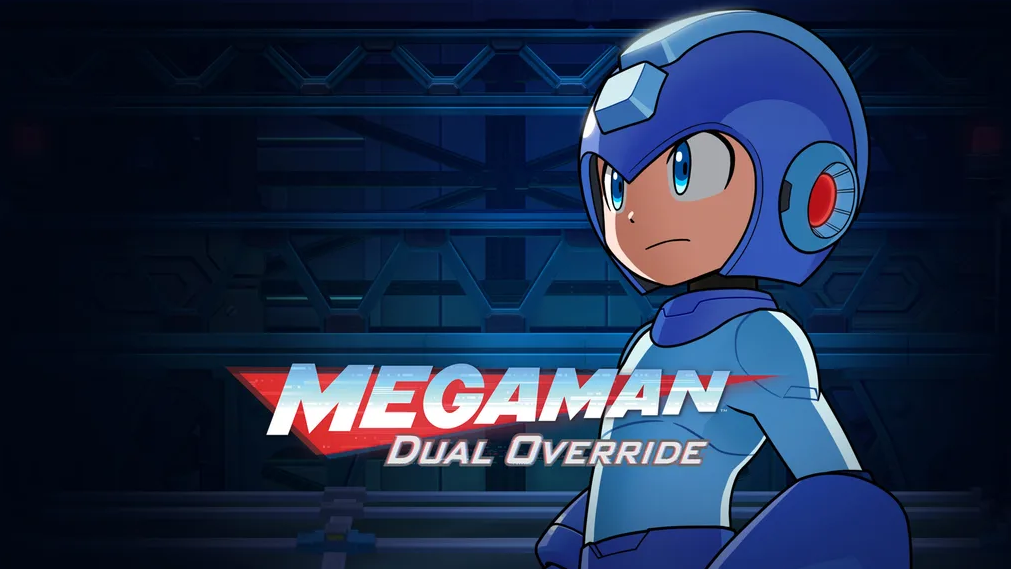
Capcom’s upcoming Mega Man: Dual Override is shaping up as a faithful return to the series’ classic side-scrolling action, complete with the punishing boss fights fans expect—but with modern quality-of-life features that make it feel like the fairest entry yet. A recent hands-on preview revealed a game that respects the franchise’s legacy while introducing meaningful structural changes.
What We Saw in the Preview
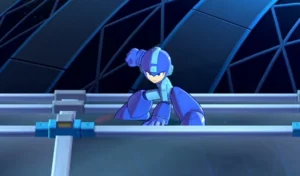
During a 30-minute hands-on session, a full stage featuring the boss Twinkle Girl demonstrated Dual Override’s core approach. The stage is set in a firework factory and uses a new structure: instead of one continuous level from start to finish, each boss stage is broken into three separate areas. This gives players breathing room to recover between sections and watch the theme develop—moving from an outdoor celebration setting into the depths of the factory itself.
Twinkle Girl herself sits at the end, but the real challenge comes from Astro Man R, a mid-stage boss in a space setting that proved significantly tougher. Defeating him required learning his pattern of falling rocket attacks and orbiting metal balls.
Mega Man himself feels responsive and snappy. Charging shots deliver noticeable impact, and sliding feels smooth and reliable. Before each level, players choose between a defensive or offensive chip upgrade; the defensive option grants a temporary shield that absorbs an extra hit.
Gone is Mega Man 11’s divisive double gear system. In its place is the Override mechanic, the game’s namesake. By dealing damage to enemies, players build an Override meter that temporarily boosts Mega Man’s strength, defense, and firepower. Activating it triggers a five-second anime-style transformation animation that, while occasionally annoying when timing matters, delivers enough extra power to justify the wait—especially against bosses. The game also lets players switch between abilities of previously defeated robot masters on the fly, adding tactical depth.
Why This Matters for Mega Man Fans
Mega Man has always been defined by tough, pattern-based boss encounters paired with platforming precision. The series’ core identity never wavered even as it experimented—Mega Man 11’s gear system split opinion, but the underlying challenge remained intact. Dual Override appears to embrace that DNA without apology: this is a run-and-gun platformer that still demands respect.
The segmented stage structure is the biggest departure. Purists might worry it softens the difficulty, and that’s a fair concern—breaking one continuous gauntlet into three checkpointed areas objectively reduces immediate punishment for mistakes. However, the preview suggests this trade-off gains something: richer thematic development and better pacing without gutting the actual challenge. A middle-area boss tougher than the final one is a clever way to keep players engaged across all three segments.
The Override system and chip upgrades represent thoughtful accessibility without hand-holding. They’re optional power-ups tied to performance and player choice, not difficulty sliders that dilute the experience. This balances the series’ legendary difficulty with moments where newer players or skilled ones dealing with tough bosses can activate meaningful advantages.
What’s Next
Mega Man: Dual Override still has room to surprise before release. The hands-on only covered one stage, leaving the full boss roster, late-game difficulty, and the complete mechanics suite unknown. Fans should watch for details on whether a “classic mode” connecting all stage segments into single levels will be available, as well as how the full game scales across its entire run.