News
Asobo Studio’s Long Road Before A Plague Tale: The Ratatouille Era You Might’ve Missed
Before A Plague Tale, Bordeaux's Asobo Studio spent years on licensed games like Ratatouille; here is the timeline that led to Resonance.
In this article
Asobo Studio can look like a modern overnight success: the French studio arrived with A Plague Tale: Innocence in 2019 and immediately turned heads with its dark, atmospheric adventure. But that story skips a big chapter. Asobo had already spent well over a decade making games, including licensed titles such as Ratatouille, long before Amicia and Hugo’s journey grabbed critical attention.
Before the rats came
Asobo was founded in Bordeaux, France, in 2002. Its early years were built on work-for-hire and licensed projects, including Super Farm in 2003, Sitting Ducks and The Mummy: The Animated Series in 2004, and Garfield: A Tail of Two Kitties in 2006.
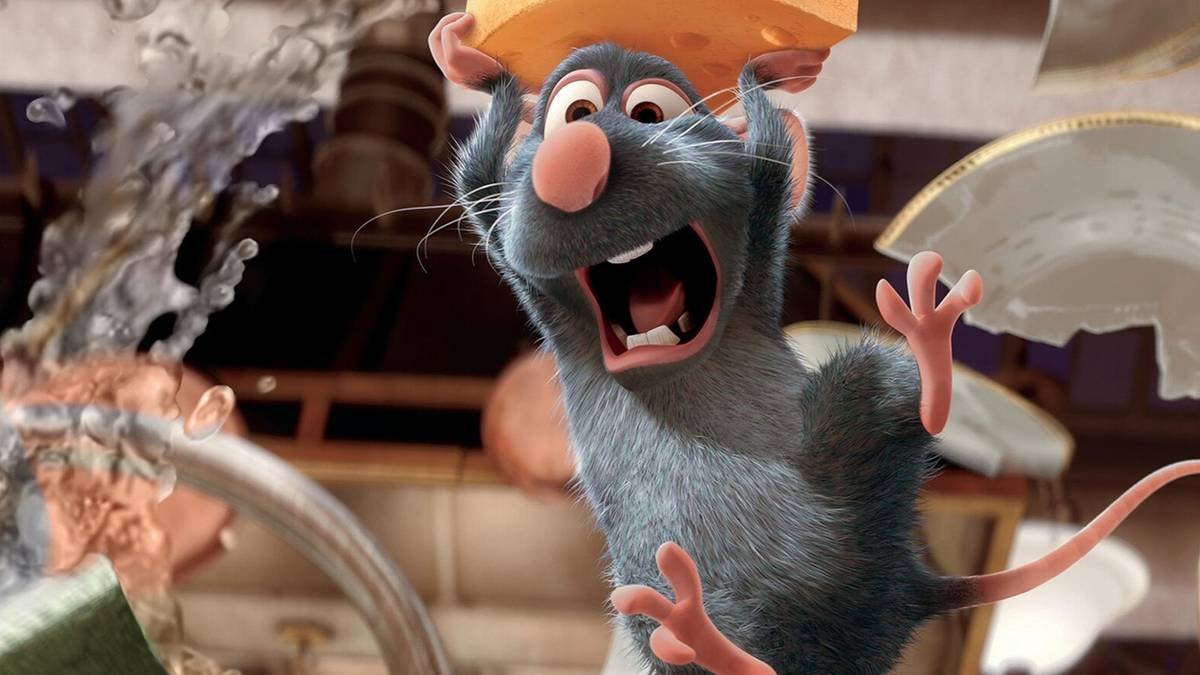
Ratatouille, released by THQ in 2007 alongside the Pixar film, was one of the studio’s most visible projects of that era. It was followed by more family-friendly licensed work, including WALL-E in 2008, Up in 2009 and Toy Story 3 in 2010. Building games inside those constraints, on tight movie-release schedules and under the demands of major franchises, taught Asobo how to deliver polish, manage scope and hit deadlines.
Growing its own identity
Asobo also took on bigger original and technical projects. Fuel, released by Codemasters in 2009, was an open-world racing game with a huge map, an early sign of the studio’s interest in large, detailed environments. Kinect Rush: A Disney-Pixar Adventure followed in 2012, and the studio contributed to Ubisoft’s The Crew in 2014 and The Crew 2 in 2018.
Its work with Microsoft grew in parallel, including HoloLens projects Fragments and Young Conker in 2016. That relationship led to one of its biggest achievements: Microsoft Flight Simulator in 2020 and Microsoft Flight Simulator 2024, both developed by Asobo.
The path to A Plague Tale
When A Plague Tale: Innocence launched in 2019, published by Focus Home Interactive, it felt like Asobo had arrived fully formed. The reality was messier and more human: the studio had spent years building the technical and creative foundations that let it tell such a deeply realized story. A Plague Tale: Requiem expanded on that foundation in 2022.
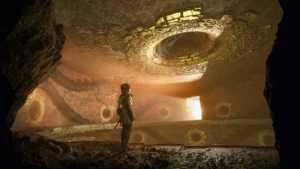
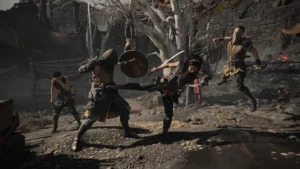
The series continued in 2026 with Resonance: A Plague Tale Legacy, released on August 27. It is a prequel set 15 years before Innocence, following Sophia from Requiem, and it moves the series toward more action-focused combat.
Why it matters
Asobo’s journey from Ratatouille to Resonance is a reminder that game development success rarely appears overnight. The projects that never grab headlines often build the skills behind the breakthrough.
For players who enjoyed Resonance, looking back at Innocence and Requiem is the natural next step, and Microsoft Flight Simulator shows an entirely different side of the same studio.