




News
Control Resonant’s Open World Proves Remedy Hasn’t Lost Its Touch
After hands-on time with Control Resonant's expanded demo, it's clear Remedy has found its footing with the action-RPG pivot—delivering weird, purposeful level design alongside melee-focused combat that actually stays fun across hours of…
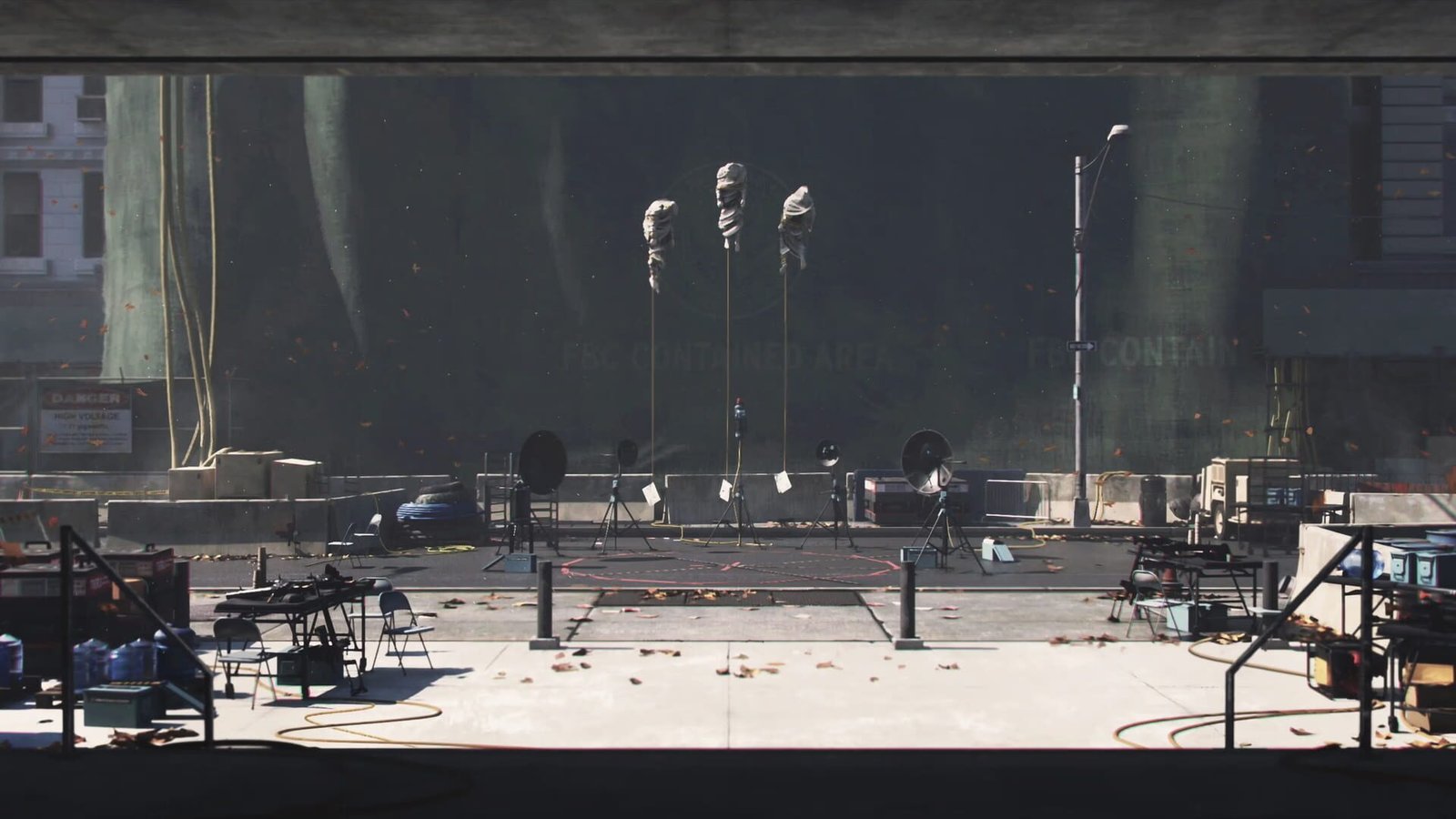
After hands-on time with Control Resonant’s expanded demo, it’s clear Remedy has found its footing with the action-RPG pivot—delivering weird, purposeful level design alongside melee-focused combat that actually stays fun across hours of play.
What the Demo Actually Shows
Following an initial June preview that left some wondering if the shift toward action had diluted what makes Remedy special, a deeper two-hour exclusive demo revealed the studio leaning hard into its strengths. The Metro Vault dungeon—one of several “dungeons” where traversal abilities like the Reach (a grapple hook equivalent) are unlocked—exemplifies this balance. Inside, trains hurtle across the screen from every direction while Dylan can shift gravitational pull to make the ceiling his floor, turning traversal into puzzle-platforming that rewards curiosity rather than just efficiency.
Combat flexibility emerged as a key design philosophy. Mold enemies, tougher than the common Hiss faction, require exploiting weaknesses, but the game offers multiple solutions: Heat Wave and Heat Aura abilities can melt their armor, or you can use The Aberrant weapon to shift into hammer form to bash their casings, then switch to blade form for finishing. A rock shield that builds stun meters on larger enemies feeds into satisfying finishers. Notably, Remedy kills off minor grunts once you’ve defeated larger enemies in an area, maintaining momentum without overstaying combat’s welcome.
The Central Resonant boss encounter required first locating its lair—a towering smokestack revealing a factory—then navigating interior puzzles. One involved charging an electrical power source with Dylan’s blade and rushing it to an unpowered cube before the charge depleted. An earlier variant required transporting power across multiple generators between rooftops, testing traversal skills alongside puzzle-solving.
Visually, Remedy bends familiar art deco New York architecture into its own image. Even fast travel points are mysterious doors that conjure looping snapshots of surrounding scenes within their frames when opened. Notes playfully reference Inception’s folding cities, but the Finnish developer’s singular stamp dominates throughout.
Why This Matters
Remedy built its reputation on uncompromising world-building and level design that makes you feel like you’re seeing something genuinely novel—qualities that survived the Control 1 transition to supernatural action, but felt slightly at risk moving toward open-world action-RPG territory. A bigger map and emphasis on melee combat could have flattened that identity into grind-friendly busywork.
Instead, this demo suggests the studio has layered narrative and gameplay purpose back into every space. Metro Vault reveals Dylan and Jesse’s intertwining backstory while teaching core mechanics. Boss hunts require environmental puzzle-solving. Combat encounters remain flexible enough that playstyle variation matters without forcing menu-crafting.
The open world, then, isn’t just a place to farm XP—it’s another canvas for Remedy’s obsessive level design, packed with secrets and narrative beats rewarding exploration and curiosity.
What’s Next
Control Resonant is set to be playable at gamescom 2026, so the coming months should bring fuller reveals of story missions, more boss encounters, and how the open world’s puzzle and narrative density holds up across the full campaign. Whether this balance between action and intrigue sustains across a 30+ hour playthrough will ultimately determine whether Remedy’s open-world gamble pays off.